
Your Korg M1 Is Irreplaceable: Here’s How to Keep It Protected Anywhere You Go
Few pieces of music gear hold the iconic status of the Korg M1, a workstation that not only defined an era but continues to influence sound design, live performance, and modern music production. For any creative who relies on expressive tools to bring musical ideas to life, the M1 stands as more than vintage equipment—it is a trusted partner. And like any essential electronic keyboard, whether owned or rented, it deserves thoughtful care and reliable insurance protection, especially when traveling for gigs or sessions.
For musicians, producers, and touring artists alike, Insuremyequipment.com remains the premier online insurance portal offering specialized global coverage for production equipment, instruments, and sound gear. With its international insurance options, creatives can travel confidently knowing their rig—vintage, modern, or hybrid—is protected anywhere the next project takes them.
Below is a deep dive into why the Korg M1 continues to rank as one of the top synthesizer workstations in the world, how creatives use it to shape their sound, what steps can help preserve a keyboard’s longevity, and why insurance is a must-have for anyone who relies on their gear professionally.
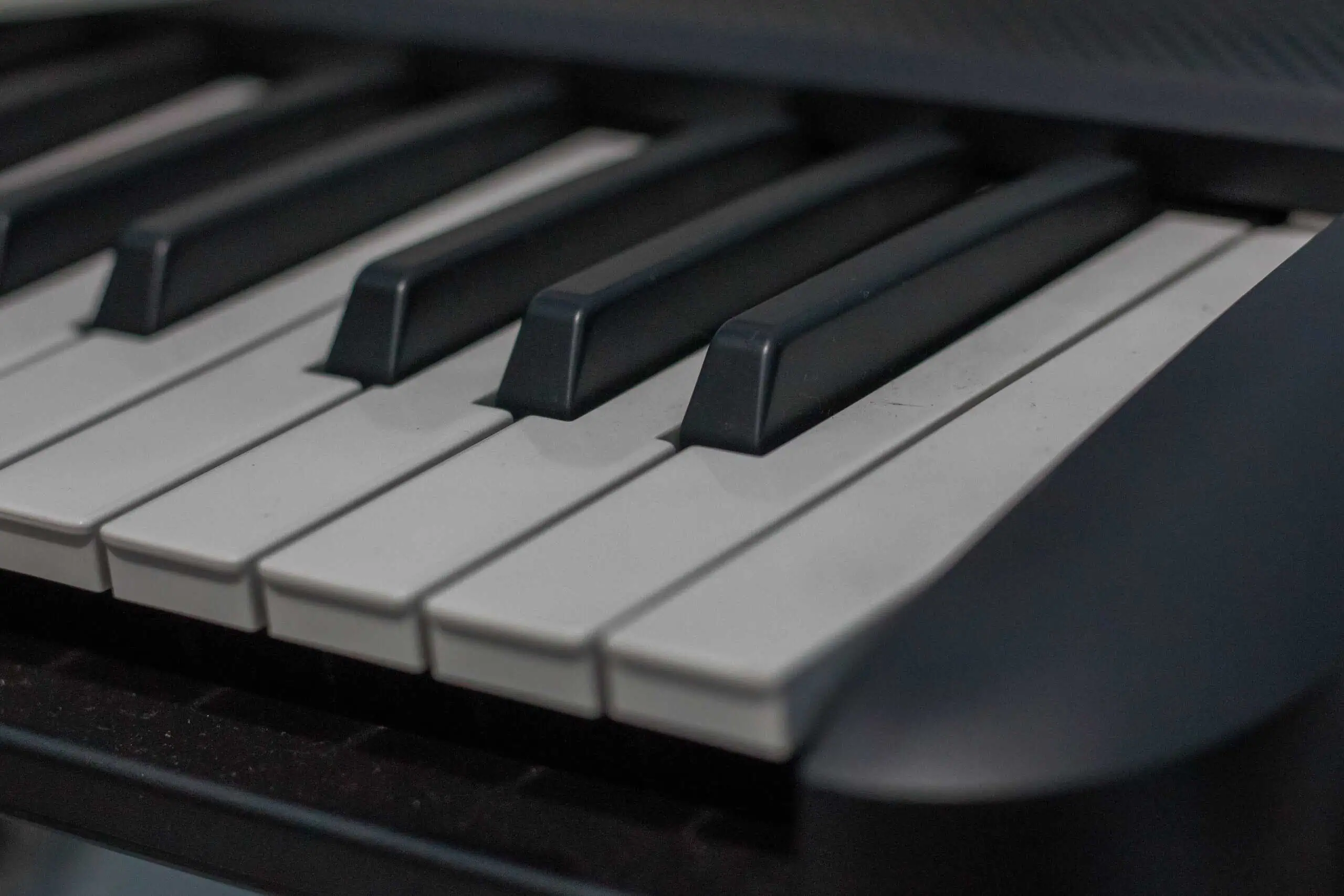
The Legacy of the Korg M1
When the Korg M1 debuted in 1988, it wasn’t merely a new synthesizer—it was a revolution. Countless hits from the late ’80s and ’90s bear its unmistakable sonic signature, from rich pads to crystalline pianos to punchy basses. Even today, producers and performers turn to the M1 because of its enduring warmth, clarity, and nostalgic charm.
What keeps the Korg M1 at the top of many creative toolkits?
- A Distinctive Sound Library That Has Stood the Test of Time: The M1 introduced a now-famous collection of presets—like the “Universe” patch and its legendary piano—that remain heavily used in modern music. Creatives often describe the M1’s timbres as “alive,” “cinematic,” or “deeply evocative,” offering an emotional texture that many digital instruments attempt to emulate but rarely match.
- Versatility That Fits Any Workflow: Whether composing film scores, producing electronic music, writing pop hooks, or performing live, the Korg M1 has a role. Its combination of synthesis, sampled sounds, and onboard effects helps creatives move fluidly between genres without switching keyboards.
- A Workstation That Encouraged Exploration: The M1 gave musicians more than sounds—it provided tools for shaping, sequencing, and combining them. Its architecture invites experimentation, making it ideal for creatives who enjoy discovering new textures or crafting signature tones. Even today, artists use the M1 to stand out in an oversaturated musical landscape.

Why Creatives Still Choose Electronic Keyboards Like the Korg M1
Modern keyboards are more powerful than ever, offering deep programmability, vast sound libraries, and performance-friendly features. Yet many musicians still gravitate toward classic models like the Korg M1 or pair them with newer rigs.
Here’s why:
- Reliability in Live and Studio Environments: Electronic keyboards such as the M1 are famously dependable. Their build quality and straightforward design make them ideal for touring musicians who need consistency from night to night.
- Inspiration Through Familiarity: Creatives often form emotional bonds with their instruments. The tactile interface of a classic synth, the responsive action of its keys, and the recognizable sound palette can serve as a springboard for new ideas.
- Unique Artistic Identity: While software emulations are convenient, the real hardware provides nuances that plug-ins don’t replicate. For many musicians, the character of the actual unit becomes part of their signature sound.
Caring for Your Electronic Keyboard
Whether someone owns a vintage Korg M1 or a modern workstation, proper care is essential. Tour life, studio environments, and travel demands can all expose keyboards to wear, temperature changes, and accidental damage.
Here are practical steps every creative can take:
- Use a Hard Case or Flight Case: A padded gig bag is fine for local travel, but touring or flying with an electronic keyboard requires a rigid, protective case. Custom foam inserts help prevent internal jarring, especially for older models like the M1.
- Control Temperature and Humidity: Vintage electronics can be particularly sensitive. Keeping the keyboard away from direct sunlight, cold conditions, and moisture can help preserve internal circuits and key mechanics.
- Clean Regularly and Gently: Dust often finds its way into sliders, key beds, and input jacks. Use microfiber cloths and gentle air dusters—never harsh chemicals—especially on older plastics and buttons.
- Check Cables and Connections: Loose or worn cables can cause signal drops or short circuits. Regular inspection helps avoid damage to both the keyboard and connected sound systems.
- Service When Necessary: Just like a car, musical instruments need periodic professional maintenance. For a Korg M1, this may include checking the power supply, display, key contacts, and internal battery.
Taking these steps extends the lifespan of the instrument—but even well-maintained gear faces risks.
Why Insurance Is Essential for Electronic Keyboards
Any creative who travels, gigs, rents out gear, or uses equipment in unpredictable environments knows that accidents happen—even when everything is done right.
Insurance isn’t an optional luxury; it’s a safeguard for your livelihood.
- Owned Electronic Keyboards Need Coverage: If your main workstation is damaged, stolen, or lost, replacing it can be expensive. A vintage Korg M1, in particular, may be difficult to source quickly. Insurance ensures you aren’t left scrambling mid-project.
- Rented Keyboards Must Be Protected: Many creatives rent keyboards for sessions, touring, or studio dates. Rental agreements typically require the renter to cover financial responsibility. Insurance provides that safety net.
- Liability Insurance Protects You When Performing: If equipment injuries someone or causes a venue to sustain damage, the performer or production team can be held liable. Liability insurance covers those unexpected incidents so the creative can focus on their performance—not legal or repair bills.
- International Travel Adds Extra Risk: Airlines, customs handling, rapid temperature changes, and long transport routes all increase the chance of damage. With international coverage, a creative’s equipment is protected from the moment they leave home until they return.
Protect Your Electronic Keyboard with Insuremyequipment.com
For musicians, audio engineers, touring performers, and studios, Insuremyequipment.com provides fast, easy, and affordable coverage tailored to the real-world needs of creatives. Their policies cover production equipment, instruments, and sound gear—whether you’re using a timeless Korg M1, a contemporary electronic keyboard, or a full touring rig.
With international protection, transparent pricing, and a streamlined online process, Insuremyequipment.com empowers creatives to work anywhere with confidence.
Protect your electronic keyboard, your sound, and your creative investment. Visit Insuremyequipment.com today and get affordable coverage that keeps your gear safe—no matter where your music takes you.